Insights on second opinions, medical AI, and modern radiology — from the DocOrbit team.

Ovarian Cyst on Ultrasound: What It Means, Causes, and When to Worry
Seeing the words "ovarian cyst" on an ultrasound report can be unsettling. The reassuring truth is that ovarian cysts are one of the most common findings in women of reproductive age, and the large majority are completely harmless — fluid-filled sacs that come and go with the menstrual cycle.

Gliotic Changes on MRI: What They Mean, Causes, and When to Worry
If your brain MRI report mentions "gliotic changes," "gliosis," or "gliotic scarring," it is natural to assume the worst. In most people, though, this finding is the imaging equivalent of an old scar — a mark left behind by something that has already healed, not an active problem.

Demyelinating Plaques on MRI: What They Mean, Causes, and Next Steps
If your brain MRI mentions "demyelinating plaques" or "demyelinating lesions," the words can be startling — especially because they are so often linked in people's minds with multiple sclerosis. The reality is more nuanced. These patches in the brain's white matter have several possible causes, and the right next step depends on your symptoms and the look of the lesions themselves.

Lacunar Infarct on MRI: What It Means, Causes, and When to Worry
If your brain MRI mentions a "lacunar infarct," the word "infarct" can sound frightening — but for many people it describes an old, small area of damage deep in the brain that the body has long since adapted to. Lacunar infarcts are a specific type of small stroke, and on imaging they often turn up quietly, sometimes without the person ever knowing one happened.

Paranasal Sinus Mucosal Thickening: What It Means and When to Worry
If a CT or MRI report mentions "mucosal thickening" of the paranasal sinuses, it is one of the most common phrases head imaging ever produces — and on its own, it is rarely something to worry about. It usually means the soft tissue lining your sinuses looks a little swollen, often from something as ordinary as a recent cold or seasonal allergies.

Cerebral Atrophy on MRI: What It Means, Causes, and When to Worry
If your MRI report mentions "cerebral atrophy," the word sounds dramatic, but in the large majority of cases it is a description rather than a diagnosis. It usually means the brain looks slightly smaller than the typical reference for your age — most often because of normal aging, sometimes because of a specific condition that needs attention.

Chronic Ischemic Changes on MRI: What They Mean, Causes, and Next Steps
If your MRI report mentions "chronic ischemic changes," it is one of the most common phrases a brain MRI ever produces — and for the large majority of people, it is not the alarming finding it sounds like. It usually describes long-standing wear on the brain's small blood vessels, the kind that accumulates quietly with age and vascular risk factors.

Found a Lung Nodule on Your CT Scan? Here's What to Do Next
Few things are as unsettling as a report line that mentions a "nodule" on your lung. If a recent CT scan found a lung nodule, take a breath first: the large majority of lung nodules are not cancer. They are one of the most common incidental findings in chest imaging, and most turn out to be old infections, scar tissue, or benign growths.

How AI Is Changing Radiology: Detection, Workflow, and What It Means for Patients
Artificial intelligence has quietly become part of everyday radiology. Most patients never see it, but on many modern scans there is a piece of software running in the background — circling a possible lung nodule, measuring an aneurysm, or alerting the on-call radiologist that a stroke needs attention now. A plain-language look at what AI actually does today, where it helps, and where it still falls short.

Recent Developments in Medical AI: What's Actually Changing for Patients
Most people hear about medical AI in headlines that swing between miraculous and alarming. The reality is steadier and more useful. AI tools are quietly becoming part of routine care — in imaging, in early-warning systems, in remote monitoring, and in the paperwork around every clinical encounter. A plain-language tour of what has actually moved the needle, what patients can expect to see, and the limits worth knowing.

Second Opinions in Radiology: Why They Matter and When to Ask for One
A radiology report often reads like the last word on a question — but in practice, it is one specialist's interpretation of a complex image at a particular moment. Two experienced radiologists can read the same MRI and reach meaningfully different conclusions, and reviews show a meaningful share of reports change something on a second look. Here is why that happens and when a second read genuinely matters.
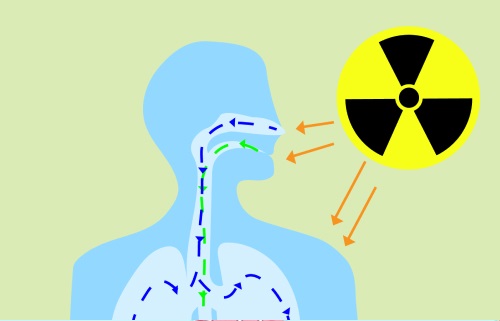
Understanding Radiation Dose in Radiology Scans: A Comprehensive Guide
If your doctor has ordered a scan, you may have heard the word "radiation" and felt a small knot of worry. The reassuring truth is that for most medically indicated scans, the dose is small, well-understood, and almost always less risky than the missed or delayed diagnosis it helps avoid. Here is what dose really means, how common tests compare, and when concern is warranted.

When Should You Get a Second Radiological Opinion?
Most radiology reports are reassuring and read more or less the same to any qualified radiologist. But every patient has heard the story of a missed nodule, a re-read that changed a cancer stage, or a finding that turned out to mean something different. A second opinion is not about distrusting the first reader — it is about getting another careful look when the stakes or the ambiguity justify one.

Avoiding Misdiagnosis: How Second Opinions Improve Cancer Outcomes
A cancer diagnosis is one of the few situations in medicine where every decision matters and most of them are based on the work of two people you may never meet — the pathologist who looked at the slides and the radiologist who read the scan. A second opinion on those two reads is one of the highest-value things a cancer patient can do before committing to a treatment plan.
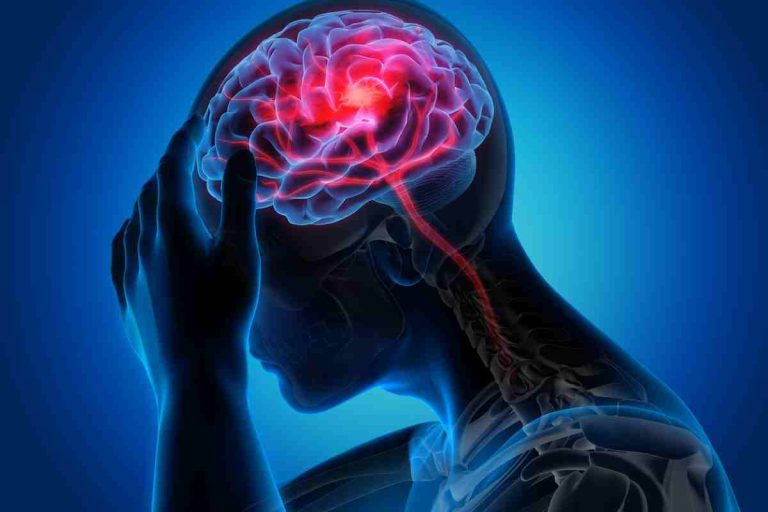
Why a Second Opinion in Neurology Matters: When and How to Seek One
A neurological diagnosis is one of the most consequential pieces of information a patient ever receives. The label often determines the next decade of treatment, lifestyle, and follow-up — yet many of these diagnoses sit on a foundation that is more nuanced than patients realize. A second opinion is a routine, accepted part of how complex neurology cases are worked up.
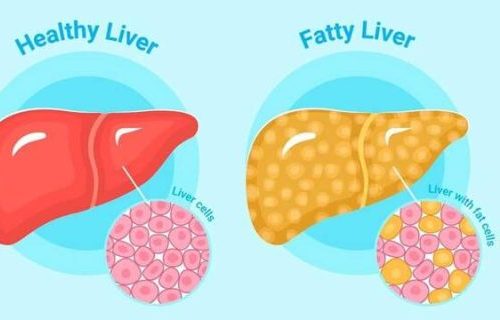
Understanding Fatty Liver Disease: The Role of MRI in Diagnosis and Management
If your report mentions "fatty liver," "hepatic steatosis," or "increased liver echogenicity," it is one of the most common findings on abdominal imaging — and in the large majority of patients, it is reversible. This guide explains what fatty liver actually is, why MRI gives the clearest picture, and what really changes the trajectory.

Why a Second Opinion in Hematology Matters: When It Changes Care
Hematologic diagnoses are among the most pathology-heavy decisions in medicine. The label that ends up on your chart — a specific lymphoma subtype, a particular flavor of myelodysplastic syndrome, a defined myeloproliferative neoplasm — is built from a stack of bone marrow slides, flow-cytometry plots, and molecular tests that need to be read together.

The Importance of a Second Opinion in Dermatology
Dermatology looks deceptively simple — the skin is the one organ a doctor can actually see. In practice, two trained dermatologists can look at the same mole, rash, or biopsy slide and reach different conclusions. That is why a second opinion in dermatology is not a sign of distrust; it is a normal part of how careful diagnoses get made.

Why Second Opinions in Ophthalmology Are Critical for Accurate Diagnosis and Treatment
Vision is one of the things most people will accept almost any inconvenience to protect, and that is exactly why an ophthalmology diagnosis is worth getting right the first time — or carefully reviewed the second time. Modern eye care leans on specialized imaging that can be read more than one way, and on disease categories where the right call changes the treatment dramatically.